

In industrial settings, the risk of chemical spills, hazardous material leaks, and other dangerous incidents is ever-present. Without the right preparation, such spills can lead to significant environmental damage, health risks, and costly clean-up efforts. Industrial spill kits play a crucial role in preventing these situations from escalating by providing a ready-made solution for containing and cleaning up spills quickly and safely. These kits are essential for any facility where liquids, chemicals, or other potentially hazardous materials are handled regularly.
Spill kits are designed for a range of specific spill scenarios, each tailored to handle different types of substances, from oils and chemicals to general waste. In this article, we’ll explore the importance of industrial spill kits, the different types available, and the key elements that make up an effective spill response plan.
The Purpose and Importance of Industrial Spill Kits
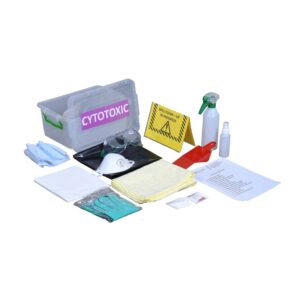
At the core of any safety protocol in an industrial environment is the ability to respond rapidly to accidents, including spills. Industrial spill kits for sale provide the necessary tools and materials to contain, clean, and safely dispose of hazardous substances before they cause more significant damage. The use of spill kits is vital not only for the protection of the environment but also for the safety of workers and the surrounding community.
When a spill occurs, time is of the essence. Without a proper spill response kit, employees may be left scrambling for improvised materials, increasing the risk of injury or contamination. Industrial spill kits ensure that trained personnel have everything they need to handle a spill quickly, effectively reducing the likelihood of further harm. Furthermore, regulations in many countries require businesses to have these kits readily available, making them a critical part of compliance and workplace safety.
Types of Industrial Spill Kits for Different Industries
There are several types of industrial spill kits, each designed to handle specific kinds of spills. The most common types include:
- Universal Spill Kits: These are designed to absorb both water-based and non-hazardous substances. They are ideal for general spills that occur in most industrial settings.
- Oil Spill Kits: Specifically designed to absorb oil-based substances, these kits are hydrophobic, meaning they repel water while absorbing oil. This makes them perfect for spills on water surfaces or in wet environments.
- Chemical Spill Kits: These kits contain absorbents and neutralisers that are specially formulated to handle hazardous chemicals. They are often used in laboratories, chemical plants, and other facilities that deal with dangerous substances.
Choosing the right spill kit for your facility depends on the type of liquids you work with. Some industries may require multiple kits, particularly if they handle a range of materials. It’s important to assess the specific risks associated with your operations and select the appropriate kit accordingly.
What’s Included in an Industrial Spill Kit?
An industrial spill kit typically includes a variety of tools and materials that allow for the safe containment and clean-up of a spill. The exact contents may vary depending on the type of kit, but most will include the following:
- Absorbent pads and socks: These are the primary tools for containing and absorbing spilled liquids. Pads are used for small spills, while absorbent socks can be placed around the perimeter of larger spills to prevent the liquid from spreading.
- Disposal bags and containers: Once the spill is absorbed, the contaminated materials need to be safely disposed of. Kits often come with heavy-duty bags and containers to ensure proper disposal in accordance with environmental regulations.
- Personal protective equipment (PPE): To protect workers from exposure to hazardous materials, kits include gloves, goggles, and other protective gear.
- Instruction manuals: Detailed instructions ensure that employees know how to properly use the kit in an emergency.
These items are designed to be easy to use, even for employees who may not be specialised in hazardous material handling. The goal is to enable a swift response that minimises the potential damage caused by the spill.
How to Properly Use an Industrial Spill Kit
Knowing how to properly use an industrial spill kit is just as important as having one on hand. Training employees on the correct procedures can make a significant difference in the outcome of a spill incident. The basic steps of spill response include:
- Assess the situation: Before using the spill kit, it’s crucial to assess the type of spill and determine whether it can be safely handled with the available resources. If the spill is too large or dangerous, professional help should be sought immediately.
- Contain the spill: The first priority is to stop the spread of the spill. Absorbent socks or booms are typically used to create a barrier around the spill, preventing it from reaching drains or other sensitive areas.
- Absorb the spill: Once contained, absorbent pads or pillows are used to soak up the spilled liquid. It’s important to ensure that all of the liquid is absorbed to prevent further contamination.
- Dispose of materials: After the spill is cleaned up, all used absorbents and contaminated materials must be placed in the disposal bags provided in the kit. These bags should be sealed and disposed of according to local hazardous waste regulations.
Training employees to follow these steps ensures that spills are managed quickly and effectively, reducing the risk of harm to people and the environment.
Regulations Governing the Use of Spill Kits
The use of industrial spill kits is often governed by local, national, and international regulations aimed at protecting the environment and public health. These regulations may vary depending on the type of industry and the materials being handled, but they generally require businesses to have spill kits readily available and ensure that employees are trained in their proper use.
In many countries, failure to comply with spill response regulations can result in significant fines and legal action. Businesses must regularly review their compliance status and ensure that their spill kits are up to date and fully stocked. Regular inspections and drills are also recommended to ensure that employees are prepared to respond effectively in an emergency.
The Environmental Impact of Spill Response and Cleanup
Spills of hazardous materials can have a devastating impact on the environment, particularly if they are not contained and cleaned up quickly. Chemicals and oils that enter the soil or waterways can cause long-term damage to ecosystems, killing plants and animals and contaminating drinking water supplies. Industrial spill kits help mitigate this damage by providing the tools needed to contain spills before they spread.
By using absorbent materials designed specifically for the type of spill, businesses can minimise the environmental impact of a spill and reduce the risk of long-term contamination. In addition, proper disposal of contaminated materials ensures that they do not pose a further threat to the environment.
Best Practices for Maintaining and Replacing Spill Kits
Maintaining your industrial spill kit is essential to ensuring that it is ready for use when needed. Spill kits should be inspected regularly to ensure that all components are present and in good condition. Over time, absorbent materials may degrade, and personal protective equipment may become damaged, so it’s important to replace these items as needed.
Many businesses choose to conduct regular spill response drills to ensure that employees are familiar with the location and contents of the spill kit. These drills also provide an opportunity to check the kit and make sure it is fully stocked and ready for use.
Customising Spill Kits to Meet Industry-Specific Needs
While most industrial spill kits come pre-packaged with standard contents, many businesses choose to customise their kits to meet specific industry needs. For example, a chemical plant may require additional neutralising agents or protective gear, while a manufacturing facility might need extra absorbent materials to handle larger spills.
Customising your spill kit ensures that it is fully equipped to handle the types of spills most likely to occur in your facility. Working with a supplier that specialises in industrial spill kits can help you build a kit that meets your unique requirements.
Training Employees to Effectively Use Spill Kits
Having an industrial spill kit on-site is only effective if employees know how to use it. Regular training is essential to ensure that all workers are familiar with the proper spill response procedures and know where the spill kits are located. This training should include hands-on practice with the kit and detailed instructions on how to use each component.
In addition to initial training, businesses should conduct refresher courses at regular intervals to ensure that employees remain prepared. Training should also be updated whenever new equipment or materials are introduced to the facility.
Choosing the Right Industrial Spill Kit for Your Facility
Selecting the right industrial spill kit for your facility depends on several factors, including the types of materials you handle, the size of potential spills, and the layout of your facility. It’s important to choose a kit that is appropriately sized for the largest spill you are likely to encounter and that includes all necessary absorbents, protective gear, and disposal materials.
Many businesses opt to have multiple spill kits placed in strategic locations throughout their facility, ensuring that employees can access a kit quickly in the event of a spill. Working with a professional spill kit supplier can help you determine the best configuration for your needs.
Conclusion
Industrial spills are a serious risk in many industries, but with the right preparation and the use of industrial spill kits, businesses can mitigate the damage caused by hazardous materials. These kits provide an essential first line of defence, allowing for quick containment and clean-up of spills before they pose a greater threat to people or the environment. By choosing the right spill kit, training employees, and maintaining compliance with regulations, businesses can ensure that they are prepared to handle spills safely and efficiently.